




 2
2 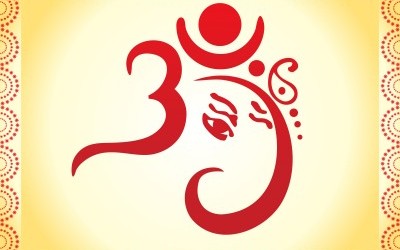
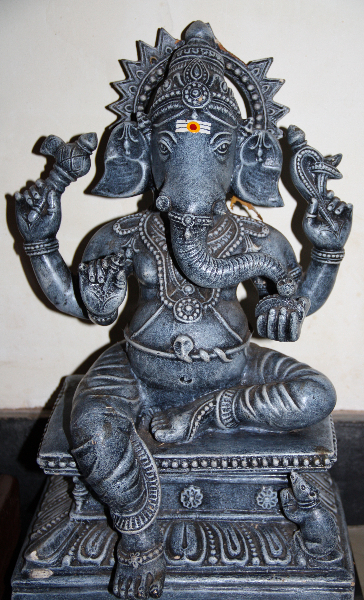
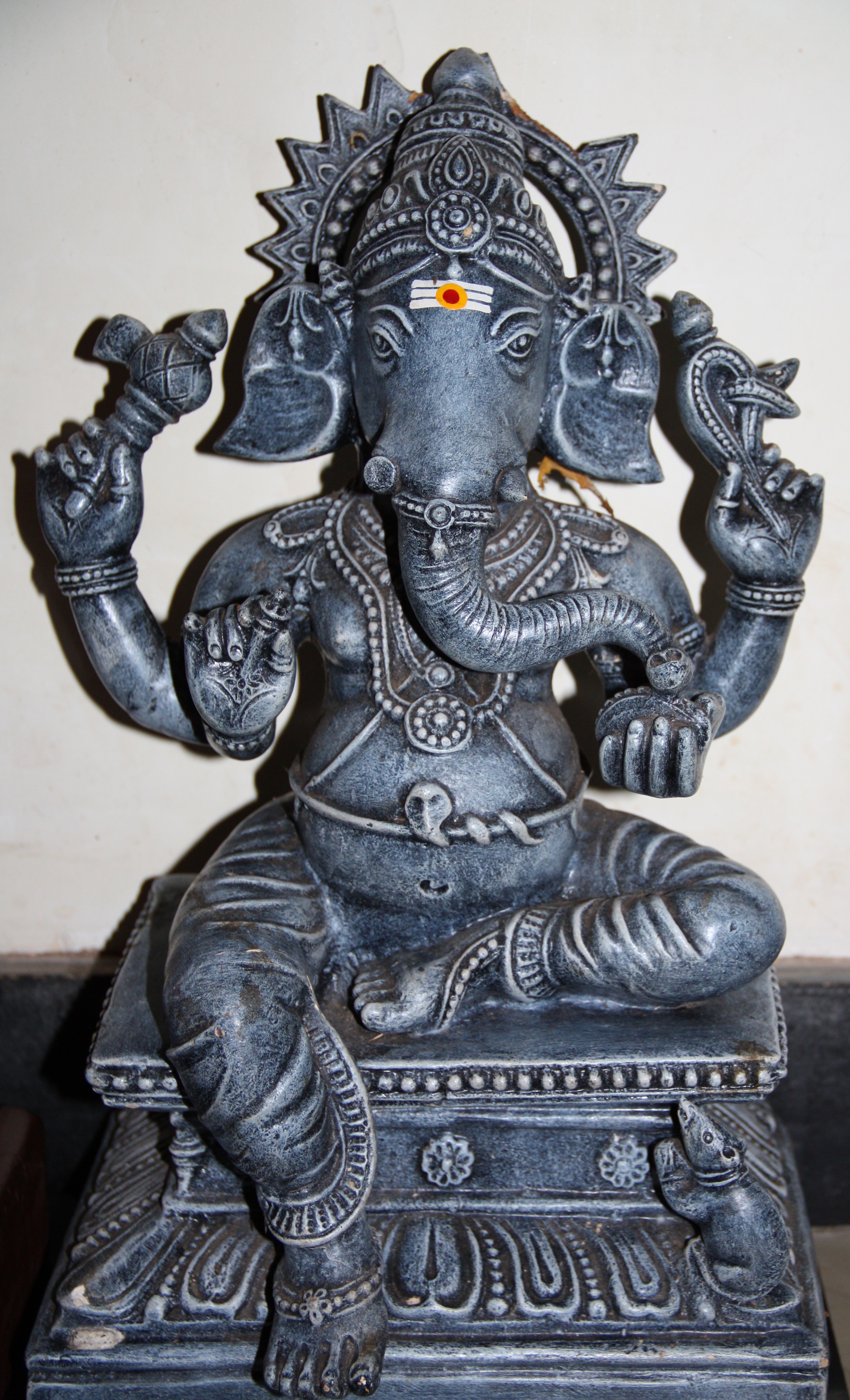 In keeping with vedic tradition, at the start of new undertakings it is important to recognize and honor Ganesha, also known as Ganapati. Ganesha represents that energy or force that can clear the way before us, removing any obstacles that may be lying in our path.
He is depicted as the elephant-headed god in the Hindu pantheon, a powerful force to be reckoned with, but also a gentle soul whose dear companion is a mouse. A scribe himself, he is especially fond of academic endeavors, so I invite him to smile brightly on our virtual gathering here, bestowing his gifts of reliability, dedication and brilliance as he sees fit. May our studies be filled with peace, love & light!
What Is Ayurveda?
Ayurveda is commonly translated as “the science of life.” With such a broad scope, Ayurveda offers an incredibly diverse set of teachings on how to maintain longevity so that we can complete our dharma, strategic alinement with natural law and fulfillment of our true purpose on this planet.
Established in the region that is now India between 2000 and 5000 years ago (depending on which expert you consult), Ayurveda is the oldest continuously-practiced healthcare system still in use today.
“Ayurveda” is a Sanskrit word, an ancient language that is not in common usage anywhere today. However, many ancient wisdom practices are grounded in Sanskrit texts, including many meditation traditions, Yoga and Ayurveda.
The word Ayurveda comes from the roots ayuh, which means “life,” and veda, which means “science or knowledge.” Ayurveda contains the knowledge not only of how to address illness or disease, but of how to live a healthy & blissful life.
Ayurveda offers guidance on many lifestyle practices including dietary choices, food preparation, herbal remedies, methods of detoxification, behaviors to attain desired outcomes, yogic practices, appropriate exercise, and much, much more.