







 4
4 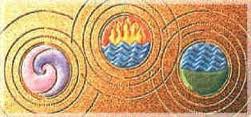
A foundational concept of Ayurveda that has no parallel in Western science is the theory of the tridosha. The word dosha refers to an organizing principle or pattern in nature. The ancient teachers of Ayurveda noticed that certain constellations of qualities show up in nature together and move in predictable ways with predictable outcomes.
They observed three primary forces in the world, and they correspond to the major elements. Since there is no parallel in English, we still use the Sanskrit terms for these organizing principles: Vāta, Pitta and Kapha.
Read More» 2 
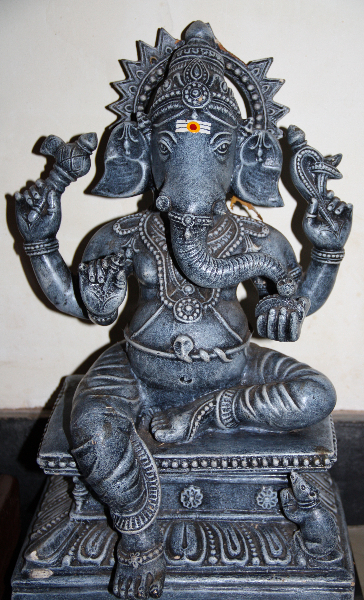
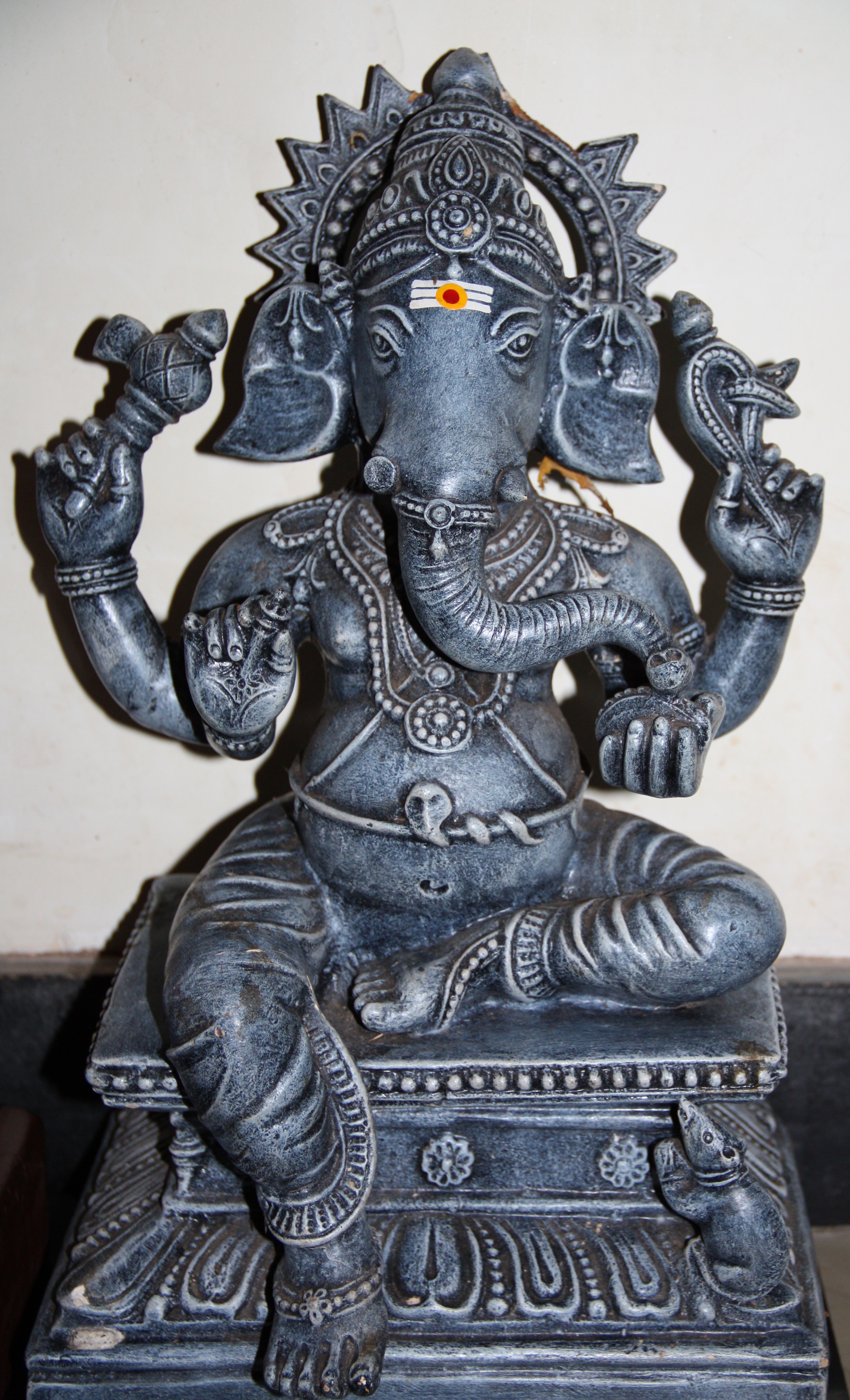 In keeping with vedic tradition, at the start of new undertakings it is important to recognize and honor Ganesha, also known as Ganapati. Ganesha represents that energy or force that can clear the way before us, removing any obstacles that may be lying in our path.
He is depicted as the elephant-headed god in the Hindu pantheon, a powerful force to be reckoned with, but also a gentle soul whose dear companion is a mouse. A scribe himself, he is especially fond of academic endeavors, so I invite him to smile brightly on our virtual gathering here, bestowing his gifts of reliability, dedication and brilliance as he sees fit. May our studies be filled with peace, love & light!
What Is Ayurveda?
7 
Summer is here – and have I got some steamy summer reading for you!
Some of you may already have a deep and abiding interest in Ayurveda, while others may have just been introduced to the “science of life.” Perhaps you came across an article on Ayurveda in a magazine, or there was a reference to the three doshas in your yoga class, but it kinda went over your head. For those of you who are just entering the shallow end of this vast and beautiful ocean of wisdom, I’m offering a step-by-step introduction to the basics.
Read More»